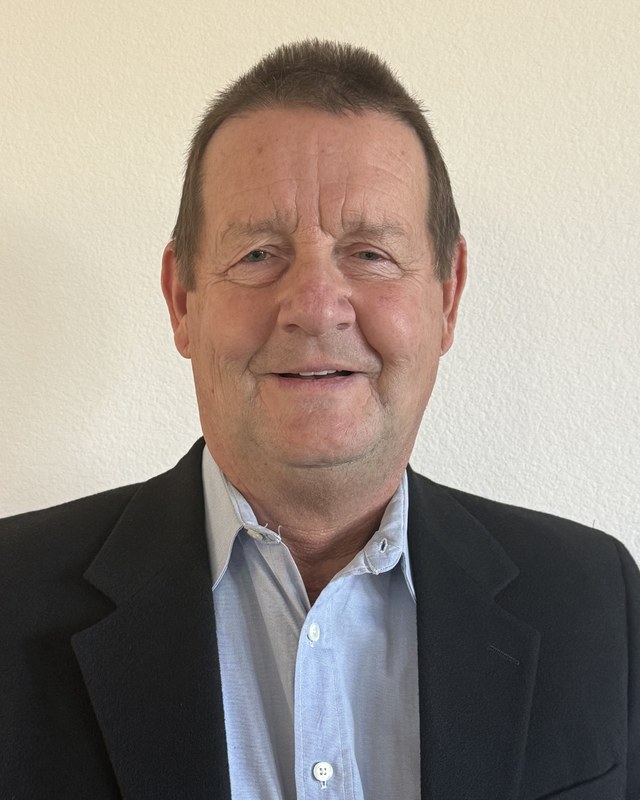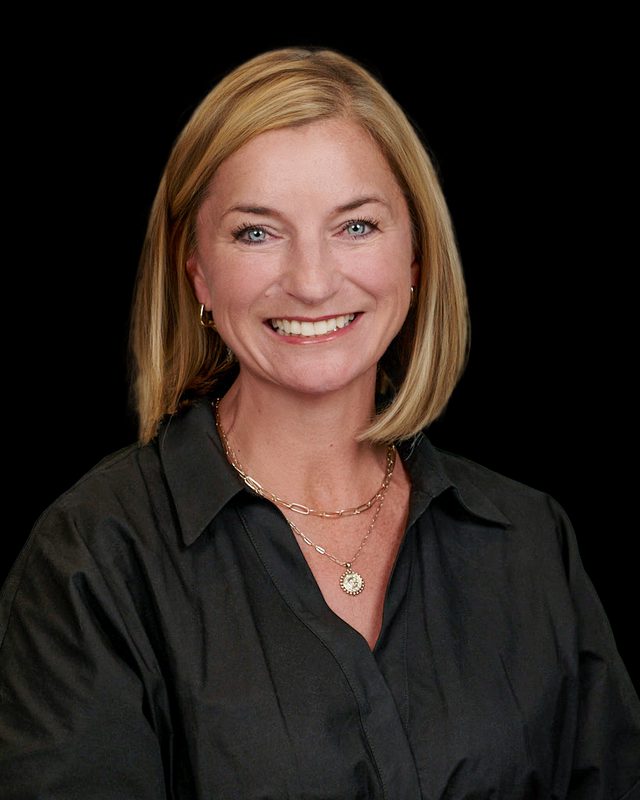
The standard Norvian holds is set by the people who built it — each drawn from a career where judgment carried consequence and accountability was not optional.
Chris Lautenslager founded Norvian to bring institutional standards of rigor, accountability, and discretion to families and fiduciaries confronting addiction and mental illness.
His career has been spent in environments where judgment carries consequence and where trust must be earned through disclosure and disciplined execution — first across institutional financial markets, and most recently within the behavioral-health field itself.
Chris brings more than a decade and a half of experience in institutional capital markets. He held senior roles at Credit Suisse and InterContinental Exchange and worked extensively in derivatives valuation and risk-management technology, advising sophisticated institutional clients on complex products and structures.
Earlier in his career he co-founded and ran the operations of a proprietary commodity trading firm, and he subsequently served on the board of directors of a publicly listed company, where he contributed to early capital formation and worked with management through the due-diligence requirements of a public exchange listing.
Chris's most recent work was within the behavioral-health field, in referral and business development for a treatment organization. That work gave him a direct view of how the recovery industry identifies and serves the families who depend on it — and of how often that process is improvised rather than governed.
He observed a field populated by capable but largely unaccountable operators, inconsistent in what they represent and in what they ultimately deliver, at precisely the moments when families and their advisors can least afford uncertainty.
The behavioral-health decisions facing families and fiduciaries are among the most consequential they will make — and they warrant the same standards of diligence, transparency, and reliability expected of any serious institution.
Norvian was founded to address that gap directly. His commitment to this work is also personal, grounded in his own connection to recovery.
The firm is built on the premise that recovery is achievable and that families can stabilize — and that better outcomes depend on accountable systems, honest counsel, and dependable execution rather than improvisation. That standard, drawn from a career spent where accountability is not optional, is the foundation on which Norvian is being built.